Tampilkan postingan dengan label battery. Tampilkan semua postingan

Rabu, 15 Agustus 2012

Microsoft details battery saving and touch features on Windows 8 RT, device sizes

Microsoft is gearing up to launch Windows 8, a version that marks a significant departure from previous incarnations in that it supports ARM processors. The Redmond-based company is quite excited about what it has achieved with Windows 8 RT (that’s what the ARM version is called) and the kind of hardware it and its OEM partners have designed.
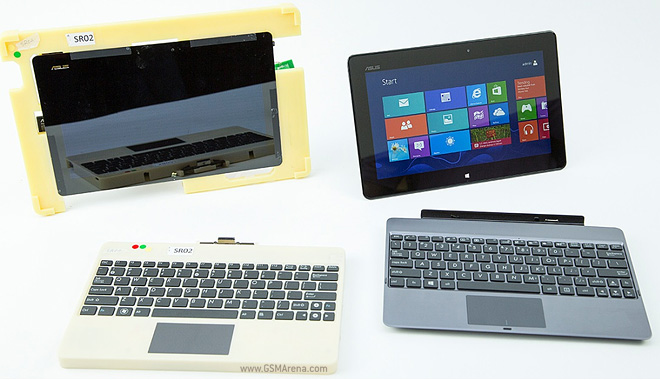
One of the biggest advantages of ARM over Intel or AMD made x86 processors is energy efficiency. Windows 8 RT was designed to reduce power usage to capitalize on that, but also allow for smaller batteries, which in turn means thinner and lighter gadgets.

One of the power-saving features is Connected standby, which is the answer to the dilemma of choosing between putting your computer to sleep or keeping it on to receive notifications.

Connected standby is like sleep mode but Windows keeps an active connection and checks for new events. It uses a lot less energy than just keeping the computer on. Here’s some battery life figures of a Windows 8 RT device in playing an HD video and in active standby (I wish they included regular standby too, to see just how much energy is saved).

Batteries for RT devices will range from 25Wh to 42Wh, while screen sizes will be going between 10.1? and 11.6? for laptops and tablets. Here’s what you can expect in terms of overall size and weight of the devices.

A tablet that’s 8.35mm thick and weighs 520g sounds pretty good, but the 15.6mm, 1200g device seems a bit bulky even if it’s for a laptop. After all, there are laptops with x86 CPUs capable of running classic Windows (which means all Windows 7 apps) that are this big (for a 13? screen too).

Anyway, Microsoft’s desire to reduce power usage had some interesting consequences. They combined all chips responsible for touch interaction, which reduced power usage, but the new design also has some really cool features.

One of them is 100 Hz finger tracking. Here’s a video from Microsoft Research that shows just what kind of difference a high frequency tracking makes (100Hz is at the 10ms part of the video).

Also, check out these finger gestures that Windows 8 supports.

So, are you excited about the upcoming launch of Windows 8 (the Surface should launch on the same date)?

Source


Powered By WizardRSS.com | Full Text RSS Feeds | Amazon WordPress PluginHud 1 Settlement Statement


View the original article here


Eliana Adriana Chandra Buana


Minggu, 29 April 2012

HTC One X battery test concludes, the results are inside

So here we are at the end of the HTC One X battery test and we are ready to share the results with you. If you wonder how efficient that Tegra 3 4-PLUS-1 architecture is and whether the companion core makes up for the four power-hungry ones, here is the place to find out.

The HTC One X bright 4.7? HD LCD is certainly hard to feed, but you can’t blame the huge 1800 mAh power pack for lack of trying.

As usual, we started with the talk time test, which saw the One X deliver its best performance of the whole test. With the screen staying off the whole test, the large battery mattered big time and helped the One X survive for nearly 10 hours on a single charge.


Talk time

  • Motorola DROID RAZR MAXX
    20:24
  • Samsung Galaxy Note
    12:14
  • Samsung Wave 3 S8600
    11:07
  • HTC One V
    10:00
  • HTC One X
    9:57
  • HTC One S
    9:42
  • Samsung I9103 Galaxy R
    9:40
  • HTC Sensation XL
    9:30
  • Nokia Lumia 710
    9:05
  • HTC Vivid
    9:02
  • HTC Rhyme
    8:48
  • Sony Ericsson Xperia neo V
    8:41
  • Meizu MX
    8:39
  • Samsung Galaxy S II
    8:35
  • Nokia Lumia 800
    8:25
  • Samsung Galaxy Nexus
    8:23
  • Samsung Captivate Glide
    8:20
  • HTC Rezound (LTE)
    8:10
  • Samsung Galaxy Note (LTE)
    8:02
  • Apple iPhone 4S
    7:41
  • Samsung Galaxy S Blaze 4G
    7:14
  • Samsung i937 Focus S
    7:25
  • Samsung Rugby Smart I847
    7:09
  • Sony Ericsson Xperia Pro
    6:57
  • Nokia N9
    6:57
  • HTC Radar
    6:53
  • BlackBerry Curve 9380
    6:52
  • Nokia Lumia 900 for AT&T (LTE)
    5:53
  • LG Nitro HD (LTE)
    5:16
  • HTC Titan II (LTE)
    5:10
  • BlackBerry Bold 9790
    5:00
  • Pantech Burst
    4:46

Sadly, the web browsing performance wasn’t so inspiring and the One X fully charged battery went flat merely 4 hours and 18 minutes after the start of the test. The high resolution really makes browsing a joy, but it comes at a price.

Web browsing

  • Motorola DROID RAZR MAXX
    7:23
  • HTC Radar
    7:17
  • Apple iPhone 4S
    6:56
  • HTC One V
    6:49
  • BlackBerry Curve 9380
    6:40
  • Samsung i937 Focus S
    6:15
  • Samsung Rugby Smart I847
    5:53
  • Pantech Burst
    5:51
  • Samsung Galaxy S Blaze 4G
    5:45
  • Samsung Wave 3 S8600
    5:34
  • Samsung Captivate Glide
    5:33
  • Samsung Galaxy Note LTE
    5:24
  • HTC Sensation XL
    5:20
  • HTC Rezound
    5:16
  • HTC Rhyme
    5:08
  • Samsung I9103 Galaxy R
    5:07
  • Sony Ericsson Xperia Pro
    4:50
  • HTC Vivid
    4:46
  • Meizu MX
    4:35
  • Nokia N9
    4:33
  • Samsung Galaxy S II
    4:24
  • Sony Ericsson Xperia neo V
    4:20
  • HTC One X
    4:18
  • Nokia Lumia 900 for AT&T
    4:10
  • Nokia Lumia 800
    4:07
  • HTC Titan II
    4:05
  • HTC One S
    4:03
  • BlackBerry Bold 9790
    4:02
  • LG Nitro HD
    4:00
  • Nokia Lumia 710
    3:51
  • Samsung Galaxy Note
    3:35
  • Samsung Galaxy Nexus
    3:01

The HTC One X put up a more respectable performance in the third test – SD video playback. With the companion core proving more than enough for the task, the smartphone took 5 hours 45 minutes to lose 90% of its charge.

Video playback

  • Motorola DROID RAZR MAXX
    14:17
  • Samsung Rugby Smart I847
    9:34
  • HTC One S
    9:28
  • Apple iPhone 4S
    9:24
  • Nokia N9
    8:40
  • Samsung Galaxy Note
    8:25
  • Samsung Galaxy S II
    8:00
  • Samsung i937 Focus S
    7:55
  • Samsung Wave 3 S8600
    7:52
  • Sony Ericsson Xperia neo V
    7:45
  • Samsung Galaxy S Blaze 4G 7:33
  • Samsung Galaxy Note LTE
    7:30
  • Samsung I9103 Galaxy R
    6:21
  • HTC Sensation XL
    6:12
  • Samsung Captivate Glide
    6:04
  • Samsung Galaxy Nexus
    6:02
  • HTC Vivid
    6:00
  • HTC Radar
    5:54
  • Nokia Lumia 800
    5:52
  • HTC Titan II
    5:50
  • BlackBerry Bold 9790
    5:47
  • HTC One X
    5:45
  • Sony Ericsson Xperia Pro
    5:44
  • Pantech Burst
    5:38
  • Meizu MX
    5:27
  • HTC Rhyme
    5:23
  • HTC One V
    5:20
  • Nokia Lumia 900 for AT&T
    5:18
  • BlackBerry Curve 9380
    5:09
  • HTC Rezound
    5:03
  • LG Nitro HD
    4:17
  • Nokia Lumia 710
    3:27

We came to the final and most important result in our test. The HTC One X got an endurance rating of 37h, which suggests you will only need to charge it once every 37 hours if you use it for an hour of each of the three activities per day.

While 37h isn’t the highest rating we have seen, it’s more than an acceptable score, given the screen size and the resolution of the One X. We guess anyone who doubted the battery life of the Tegra 3-packing smartphones and the efficiency of their quad-core processors should now breath a sight of relief.

You can find more about the test itself here.


Powered By WizardRSS.com | Full Text RSS Feeds | Amazon WordPress PluginHud 1 Settlement Statement


View the original article here


Eliana Adriana Chandra Buana


close
//batas iklanmelayang----